How to Network Without Feeling Salesy | The Leaders' Table
How to Network Without Feeling Salesy
If you've ever driven home from a networking event thinking, "That just wasn't me," you're not alone. One of the most common things I hear from women is that they don't enjoy networking because it feels forced, awkward, or overly salesy. They picture walking into a room where everyone is waiting for an opportunity to hand out a business card or deliver the perfect elevator pitch.
If that's been your experience, I understand why networking feels exhausting.
The good news is that I don't think networking is the problem. I think the way we've been taught to approach networking is.
For years, business owners have been told to attend more events, meet more people, and perfect their pitch. While those things may help you become more visible, they don't necessarily help you build meaningful relationships. In my experience, the businesses that grow consistently aren't built on polished commercials or perfectly timed introductions. They're built on trust, and trust is always built through relationships.

Shift Your Goal
One of the simplest ways to make networking feel more natural is to change your objective before you ever walk into the room. Instead of wondering who might become your next customer, ask yourself who you'd genuinely like to get to know.
That small shift changes everything.
Rather than feeling like every conversation has to produce a sale, you become curious about the people you're meeting. You begin listening instead of rehearsing your next sentence. You stop looking for transactions and start looking for relationships. Ironically, that's often when the best business opportunities begin to appear.
Lead with Curiosity
People don't remember every detail of what you said about your business, but they almost always remember how you made them feel.
When you approach networking with genuine curiosity, conversations become much easier. Ask thoughtful questions. Learn how someone got started in their business. Ask what they're excited about or what challenges they're currently navigating. Listen carefully instead of thinking about how you're going to transition the conversation back to yourself.
When people feel seen, heard, and valued, trust begins to develop. That's the foundation of every meaningful business relationship.
You Don't Have to Impress Anyone
Many business owners put unnecessary pressure on themselves before networking events. They worry about saying exactly the right thing, having the perfect commercial, or sounding more successful than they feel.
You don't have to impress anyone.
Your goal isn't to tell your entire story in sixty seconds. Your goal is simply to create enough interest that someone wants to continue the conversation later. Leave room for curiosity. Give people a reason to ask another question.
Some of the best networking conversations don't end with a sale. They end with, "I'd love to grab coffee sometime," or, "We should continue this conversation."
That's success.
Relationships Create Opportunities
One meaningful relationship can open doors you never could have planned for yourself.
A conversation may eventually become a referral partnership. A new acquaintance could introduce you to a future client. Someone you encourage today may become a collaborator years from now. You simply don't know where a relationship will lead, which is why every conversation matters.
This is one of the reasons I'm so passionate about relationship-first networking. Transactions have an end point. Relationships continue to grow, often creating opportunities long after you've forgotten the original conversation.
Networking as a Christian Business Owner
As Christian women, we have the opportunity to approach networking differently.
Instead of asking, "What can I get from this room?" we can ask, "How can I serve the people in this room?"
Sometimes serving means making an introduction. Sometimes it means encouraging someone who's having a difficult season. Sometimes it simply means listening well.
When our focus shifts from promoting ourselves to genuinely caring about the people God places in front of us, networking becomes much more than a business strategy. It becomes an opportunity to love people well while faithfully stewarding the businesses He's entrusted to us.
Why The Leaders' Table Is Different
This philosophy is at the heart of The Leaders' Table.
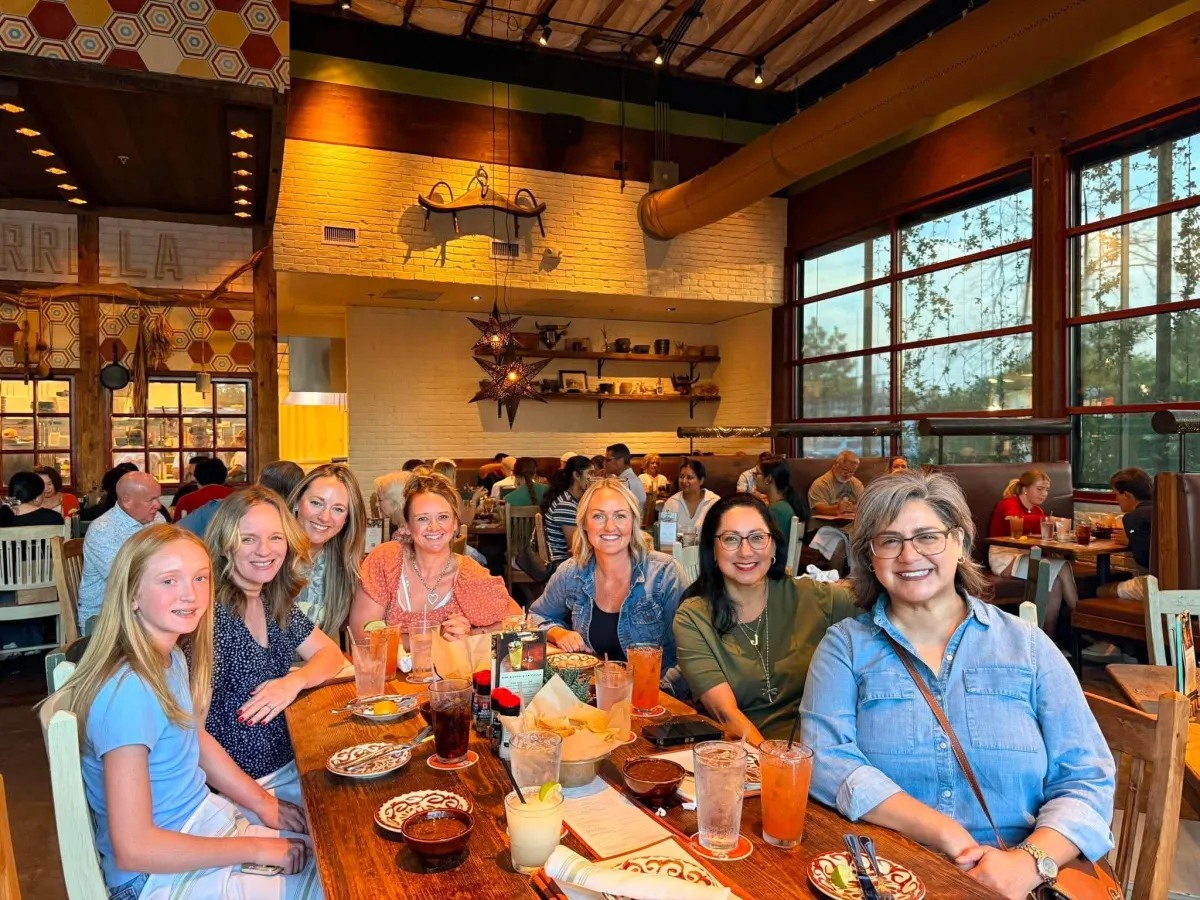
I didn't create another networking organization because I thought women needed another place to exchange business cards. I created a community where relationships have room to grow. Around our tables, women encourage one another, celebrate wins, ask thoughtful questions, and challenge one another to become better leaders.
Business opportunities naturally follow, but they are never the reason we gather.
That's why we say The Leaders' Table is more than networking. It's a place to be sharpened.
Pull Up a Chair
If you've been avoiding networking because it feels transactional, I'd love to invite you to experience something different.
Come as our guest at The Leaders' Table.
Meet Christian women who value relationships over referrals, encouragement over competition, and leadership over self-promotion. My hope is that you'll leave with far more than new contacts. I hope you'll leave with genuine relationships, renewed encouragement, and a community that helps you lead your business with greater confidence and purpose.
Frequently Asked Questions
Why does networking feel so salesy?
Networking often feels salesy when the focus is on finding customers instead of building relationships. Shifting your mindset from selling to serving creates more natural, authentic conversations.
How can I network without sounding like I'm selling?
Focus on asking thoughtful questions, listening well, and building genuine relationships. Let curiosity guide the conversation instead of trying to explain everything about your business.
What should I talk about at a networking event?
Start by getting to know the other person. Learn about their business, their goals, and their challenges before talking about your own. Great conversations are built on mutual curiosity.
Is networking important for Christian business owners?
Absolutely. Networking creates opportunities to build relationships, encourage others, collaborate, and steward your business well. When approached with integrity and generosity, networking becomes a way to serve people rather than simply promote yourself.